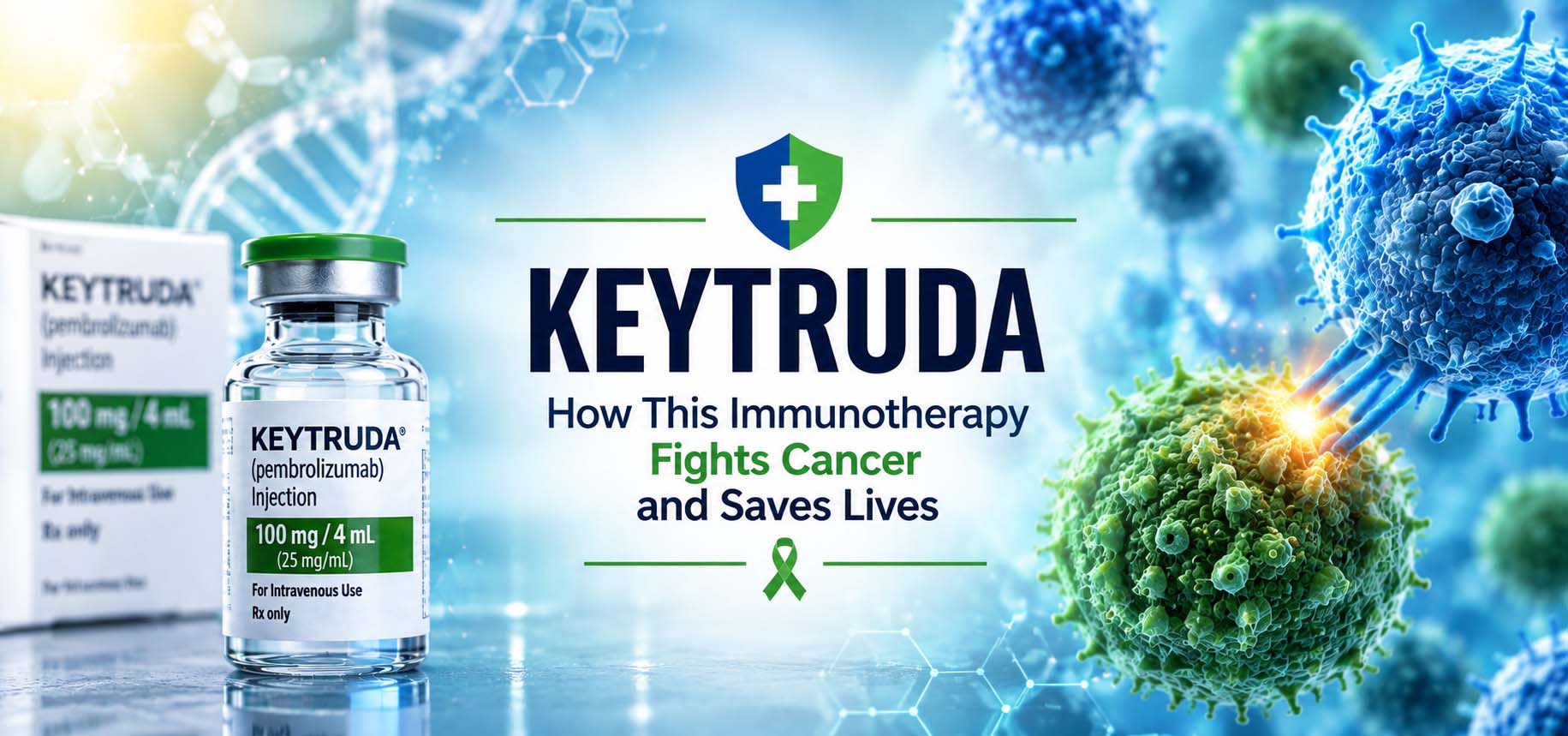
What is Keytruda?
Keytruda is a type of cancer treatment known as immunotherapy. Unlike chemotherapy, which attacks both healthy and cancerous cells, Keytruda helps your own immune system find and destroy cancer cells. The generic name for Keytruda is pembrolizumab, and it is given through an IV, usually once every few weeks. It is often used to treat cancers like melanoma (a serious form of skin cancer), lung cancer, bladder cancer, and several others. It works best in cancers that have certain genetic features or high levels of something called PD-L1.
A Brief History of Keytruda
Keytruda was developed by the pharmaceutical company Merck and was first approved by the FDA in 2014 to treat advanced melanoma. It was one of the first drugs in a new class of treatments called checkpoint inhibitors. Over time, the FDA expanded its use to treat more than a dozen different types of cancer, including non-small cell lung cancer, head and neck cancer, and certain types of colorectal cancer. Keytruda also became the first drug approved to treat cancers based on genetic markers, not just the part of the body where the cancer started.
How Keytruda Works
Keytruda works by targeting a protein in your body called PD-1, which stands for “programmed death-1.” PD-1 is like a switch that turns off immune cells so they do not attack healthy tissues. But some cancer cells take advantage of this and use PD-1 to hide from the immune system. Keytruda blocks the PD-1 protein, allowing the immune system to “see” and attack the cancer. This boosts the body’s natural ability to fight the disease.
Keytruda Uses: What Cancers Is Keytruda Used to Treat?
Keytruda uses include the treatment of many different types of cancer, particularly cancers that may respond to immune checkpoint therapy. Keytruda, also known as pembrolizumab, is used to treat certain cases of non-small cell lung cancer, melanoma, head and neck squamous cell carcinoma, bladder cancer, kidney cancer, colorectal cancer, cervical cancer, endometrial cancer, esophageal cancer, stomach cancer, breast cancer, and several other cancers. In some situations, Keytruda is used by itself, while in others it may be combined with chemotherapy or other cancer treatments.
Whether Keytruda is an appropriate treatment depends on much more than the location of the cancer. Oncologists may consider the type and stage of cancer, previous treatments, overall health, and biomarkers such as PD-L1 expression, microsatellite instability-high (MSI-H), mismatch repair deficiency (dMMR), or tumor mutational burden (TMB). Because Keytruda’s FDA-approved uses continue to evolve, patients should discuss their specific cancer and test results with their oncology team to determine whether pembrolizumab is an appropriate treatment option.
Side Effects of Keytruda
Like all medications, Keytruda can cause side effects. Because it affects the immune system, it can sometimes cause the body to attack healthy organs by mistake. This can lead to inflammation in areas like the lungs, liver, intestines, skin, or hormone glands.
Common side effects include:
- Fatigue
- Skin rash or itching
- Diarrhea
- Nausea
- Joint pain
- Fever
More serious side effects can include: - Lung inflammation (pneumonitis)
- Liver problems (hepatitis)
- Colon inflammation (colitis)
- Endocrine disorders (like thyroid problems or adrenal issues)
Patients taking Keytruda are usually monitored closely with blood tests and regular check-ins. If side effects become serious, the doctor might pause treatment or give medications like steroids to calm the immune system.
Success Rates and Advanced Treatments
Keytruda has shown impressive success in many patients, especially those with high levels of PD-L1 or specific gene mutations. In some cases, patients with advanced cancers have lived years longer than expected. For example, in advanced melanoma, some patients experienced long-term remission. In lung cancer, Keytruda has improved survival when used alone or in combination with chemotherapy. Scientists are also testing it with other treatments, including radiation therapy, targeted drugs, and other immunotherapies. These combinations are showing promise in clinical trials and may expand how Keytruda is used in the future.
Is Keytruda a Chemotherapy?
No, Keytruda is not a chemotherapy drug. Chemotherapy works by killing fast-growing cells, including cancer cells, but also healthy cells like those in your hair, stomach, and bone marrow. This can lead to many side effects. Keytruda is different. It is an immunotherapy, which means it helps your immune system find and attack cancer cells. Instead of poisoning the cancer directly, it boosts your body’s natural defenses to do the work.
How Long Do You Stay on Keytruda?
The length of time someone stays on Keytruda depends on the type of cancer, how well the treatment is working, and how the body responds. Many patients receive Keytruda once every 3 or 6 weeks for up to 2 years. However, some people stop earlier due to side effects or because their cancer goes into remission. Others may continue longer in clinical trials or special situations. Your doctor will regularly check to see how the treatment is working and adjust the plan if needed.
Do You Lose Your Hair with Keytruda?
Hair loss is not a common side effect of Keytruda. Unlike traditional chemotherapy, which often causes hair to fall out, immunotherapy like Keytruda usually does not affect hair follicles in the same way. Most people keep their hair during treatment. That said, everyone reacts differently, and some people may notice thinning hair or other skin-related effects like rashes or dryness. These are usually manageable with support from your care team.
Is Keytruda a Miracle Drug?
Keytruda has been called a “miracle drug” by some patients and doctors because of the way it has helped people with very advanced cancers live longer — sometimes even years longer — and in rare cases, go into complete remission. But it’s not a cure for everyone. It works best in cancers that have specific markers like high PD-L1 levels or certain genetic traits. While it has changed the way we treat cancer, it’s important to have realistic expectations and work closely with a doctor to see if it’s the right treatment for you.
Summary
Keytruda is a powerful cancer drug that helps your immune system fight cancer by turning off the cancer’s “invisibility cloak.” It was first approved in 2014 and has since become one of the most widely used immunotherapy drugs. It has helped many people with hard-to-treat cancers live longer and, in some cases, go into remission. While it can cause side effects, especially related to immune system activity, doctors can often manage these. As research continues, Keytruda may become part of even more advanced cancer treatments in the future.