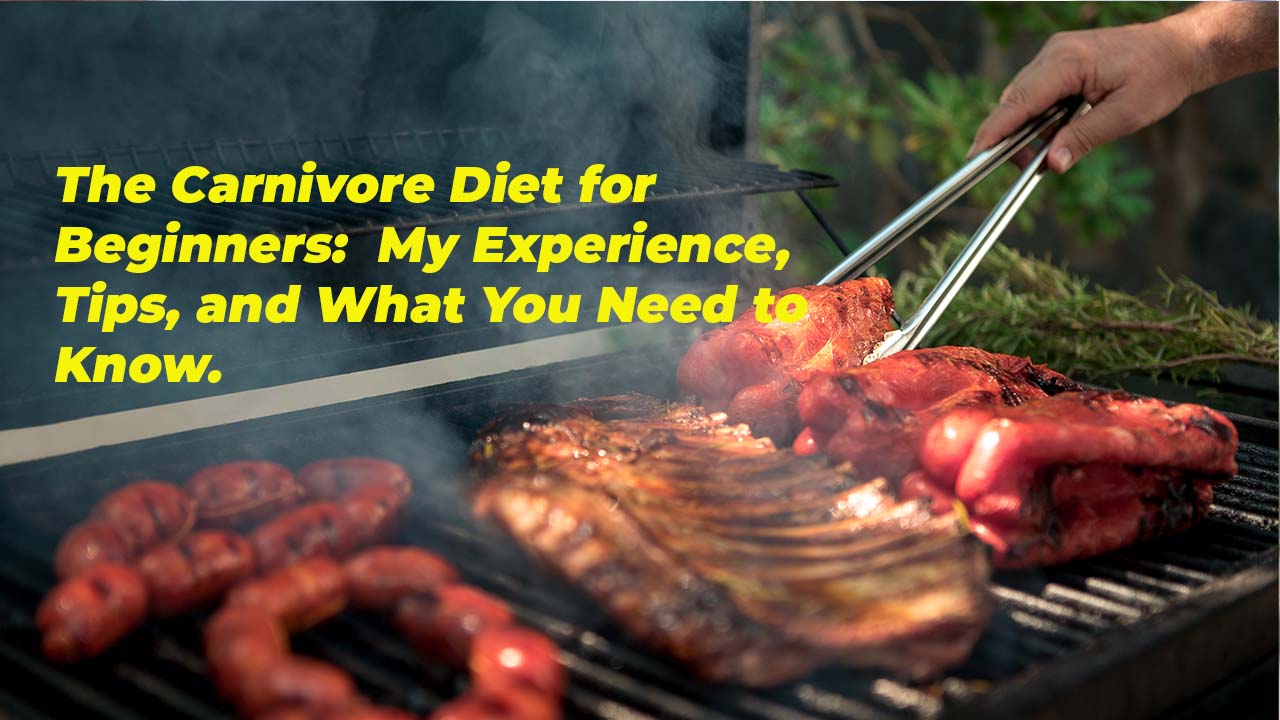
Carnivore Diet for Beginners
The carnivore diet for beginners explains a way of eating that focuses entirely on animal-based foods. For centuries, traditional cultures relied on meat and fat to thrive, and today thousands are rediscovering the carnivore diet benefits. On TikTok alone, the hashtag #CarnivoreDiet has been used over 91 million times. This nutrient-dense and anti-inflammatory approach of carnivore diet meals strips away sugars and carbs, often delivering clarity, stable energy, and relief from chronic symptoms. If you’re curious about trying it, this Carnivore Diet for Beginners guide can help you commit for 30 days and discover whether this protein-powered lifestyle can improve your own health.
Why I Started the Carnivore Diet
I’m Wayne, and my journey with this diet is personal. My vocal cords have permanent nerve damage, and I’ve been battling stage 4 neck cancer for four years. I’ve endured 70 rounds of radiation, more than 20 chemotherapy infusions, two types of immunotherapies, and even a five-hour radical neck dissection surgery. After exhausting many standard treatments, I turned to alternatives—including the carnivore diet—as a way to support my body, regain strength, and fight back with every tool available. Here are the practical steps I used to make the diet sustainable in my own life.
The Top 10 Carnivore Diet Tips for Beginners
1. Set a Goal – Commit to at Least 30 Days. Your body and mind need time to shift from burning carbs to fat-based energy. A full month gives you momentum—and compelling results worth sharing with your followers or customers. Take the carnivore diet 30 day challenge.
2. Meal Frequency – Eat Until Full. Skip the calorie counting. Carnivore diet meals consisting of fats and proteins often lead to eating less overall. There are no carnivore diet portions. Simply, eat when you’re hungry and stop when you’re satisfied.
3. Focus on Fatty Meat. Lean protein alone won’t cut it. Seek out marbled ribeye, ground 80/20, pork shoulder, salmon, and even bone marrow. Fat supplies energy and keeps you grounded in ketosis. Ketosis is a metabolic state in which the body burns fat for energy instead of sugar. Carnivore diet ketosis is the primary goal.
4. Carb Withdrawal – Transition Gently. The first week can feel like a flu—fatigue, headaches, or digestive upheaval. This is what they call keto flu. Go keto-adjacent first if needed, letting your gut, gallbladder, and liver adapt to fat-burning mode.
5. Cook with Animal Fats. Swap canola for bacon grease, ghee, butter, or tallow. These fats help boost your fat-to-protein ratio and provide nourishment with fat-soluble vitamins.
6. Use Salt. Don’t shy away. Losing carb-heavy meals often means losing sodium. Real, high-quality salt supports digestion, hydration, and nerve function.
7. Electrolytes & Minerals. Supplements like magnesium and potassium help smooth the early days—especially as your body shifts water balance.
8. Prepare. Empty your kitchen of temptations and tell housemates, friends, and family you’re going carnivore. Setting up your personal and digital environment helps maintain momentum.
9. Quality of Meat. Grass-fed, pasture-raised, or organic when possible—prioritize quality to enhance nutrition and support ethical sourcing without overspending.
10. Sources of Protein. Don’t stick to steak alone. Rotate organ meats (like liver, heart), fish, seafood, and eggs—they’re nutrient powerhouses and break the flavor monotony.
Ready to Take the First Bite?
Beginning the carnivore diet is simple; sticking with it is the real challenge. That’s why I recommend committing to a 30-day trial. Share your results in the comments, invite a friend to try it with you, and check back for updates as we continue exploring this protein-powered lifestyle together.