A cancer survivor’s journey exploring the science behind Alpha-Lipoic Acid (ALA) therapy for chemotherapy-induced peripheral neuropathy and radiation nerve damage
The Hidden Cost of Cancer Treatment: Radiation Damage and Chemotherapy-Induced Peripheral Neuropathy
Every year, millions of cancer survivors face an uncomfortable truth: the treatments that saved their lives often leave lasting damage. Radiation therapy, while precisely targeting tumors, can injure surrounding healthy tissue, including the delicate nerves that control vital functions like speech, swallowing, and movement. Chemotherapy drugs, designed to destroy rapidly dividing cancer cells, frequently damage peripheral nerves throughout the body, leading to a condition known as chemotherapy-induced peripheral neuropathy, or CIPN.
The statistics are sobering. Studies suggest that 30 to 40 percent of patients receiving neurotoxic chemotherapy agents like paclitaxel, cisplatin, and oxaliplatin develop some degree of peripheral neuropathy. For many, these symptoms persist long after treatment ends, becoming a permanent reminder of their cancer battle. Symptoms of chemotherapy-induced neuropathy include burning pain, tingling, numbness in the hands and feet, muscle weakness, and loss of balance. Radiation-induced nerve damage can affect any area within the treatment field, causing chronic pain, loss of function, and in cases involving the head and neck, damage to the nerves controlling speech and swallowing.
Traditional medicine offers limited options for these patients. Pain management typically involves medications that treat symptoms rather than repair the underlying nerve damage. Gabapentin, pregabalin, and duloxetine are commonly prescribed, but they come with their own side effects and offer incomplete relief for many patients.
This is where Alpha-Lipoic Acid enters the picture. ALA, a naturally occurring antioxidant compound, has been studied extensively in Europe for decades as a treatment for diabetic neuropathy. Now, emerging research suggests Alpha-Lipoic Acid may offer hope for cancer survivors suffering from treatment-induced nerve damage. Unlike conventional pain medications that mask symptoms, ALA therapy appears to work at the cellular level to protect and potentially repair damaged nerves.
In Germany, Alpha-Lipoic Acid has been an approved treatment for neuropathy for years, covered by health insurance as a standard therapy. The clinical trials supporting its use, particularly the SYDNEY and ALADIN trials, have demonstrated significant improvements in neuropathic symptoms including pain, burning, tingling, and numbness. For cancer survivors dealing with similar nerve damage from radiation and chemotherapy, this research offers a beacon of hope.
My Experience: The Physical Toll of Cancer Treatment
Cancer treatments save lives. I am living proof. But they also leave scars that go far beyond what you can see.
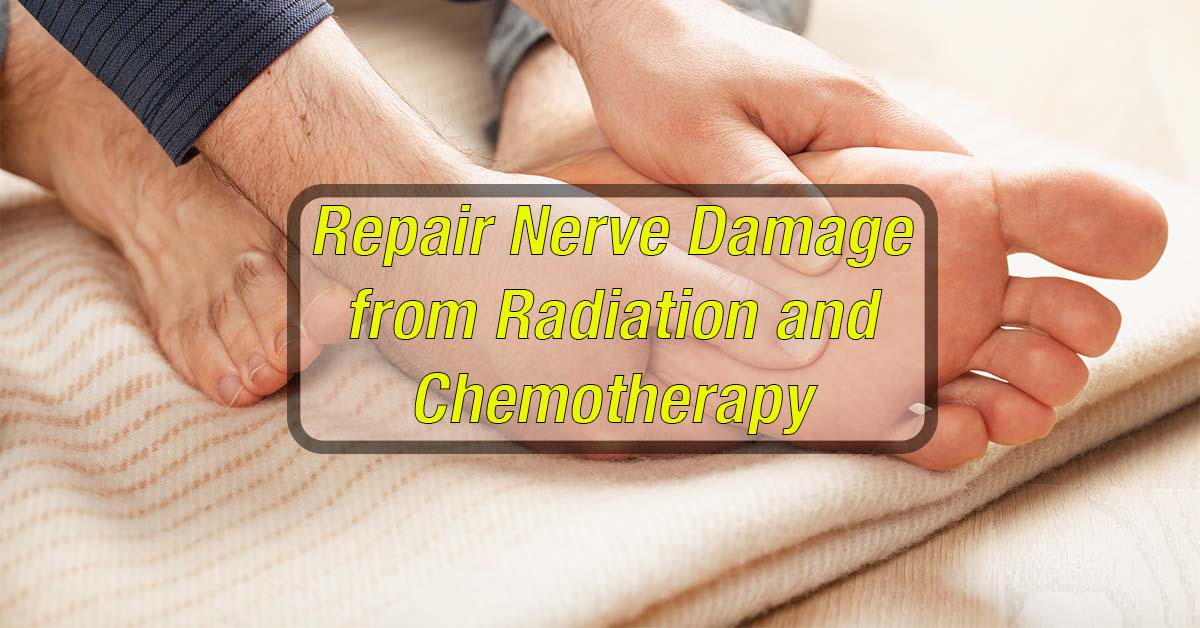
Radiation damaged the nerves controlling my vocal cords. Until therapy helps, I speak only in a whisper. Chemotherapy left me with peripheral neuropathy, a burning numbness in my feet that makes every step a reminder of what I’ve endured. Muscle spasms and nerve pain radiate through my neck and shoulder constantly, remnants of the battles fought inside my body.
These are the hidden costs of survival. The ones nobody warns you about when you sign the consent forms. The ones that make you wonder if healing from cancer is just the beginning of a different kind of fight.
If you are searching for stage four cancer inspiration, integrative cancer treatment options, natural healing approaches, or real patient experiences with integrative oncology, there is hope. There are additional emerging cancer treatment options, and one of them is Alpha-Lipoic Acid infusion therapy.
What is Alpha-Lipoic Acid? Understanding the Science Behind ALA
Alpha-Lipoic Acid, commonly known as ALA, is a naturally occurring compound synthesized by mitochondria and found in both animal and plant tissues. It functions as a powerful antioxidant and plays a crucial role in cellular metabolism and energy production. What makes Alpha-Lipoic Acid unique among antioxidants is that it is both water and fat soluble, meaning it can work throughout the entire body, crossing cell membranes and the blood-brain barrier.
ALA exists in two forms: R-lipoic acid, the naturally occurring form produced by the body, and S-lipoic acid, a synthetic form. Most supplements contain a 50/50 mixture of both forms, though some research suggests R-lipoic acid may be more bioavailable.
In Germany, Alpha-Lipoic Acid has been approved for the treatment of diabetic neuropathic pain and is covered by health insurance companies. While its adoption has been slower in other countries, the clinical research supporting ALA for neuropathy treatment is substantial and continues to grow.
The SYDNEY Trials: Clinical Evidence for Alpha-Lipoic Acid and Nerve Repair
The landmark SYDNEY Trial, published in Diabetes Care in 2003, provided compelling evidence for Alpha-Lipoic Acid’s effectiveness in treating neuropathy. Conducted by the SYDNEY Trial Study Group led by Dr. Dan Ziegler and researchers from the Mayo Clinic, the Russian Medical Academy, and other international institutions, this randomized, double-blind, placebo-controlled study examined the effects of intravenous ALA on patients with diabetic sensorimotor polyneuropathy.
The results were remarkable. Patients who received 600 mg of Alpha-Lipoic Acid intravenously for 14 treatments showed an average improvement of 5.7 points on the Total Symptom Score, compared to just 1.8 points in the placebo group. This difference was statistically significant (P < 0.001). The study found significant improvements in lancinating pain, burning pain, numbness, and prickling sensations.
The researchers concluded that intravenous Alpha-Lipoic Acid “rapidly and to a significant and meaningful degree, improved such positive neuropathic sensory symptoms as pain and several other neuropathic end points.” Importantly, they noted this improvement was attributed to improved nerve pathophysiology, suggesting ALA may actually help repair nerve damage rather than simply masking symptoms.
The follow-up SYDNEY 2 Trial, published in Diabetes Care in 2006, expanded on these findings by evaluating oral Alpha-Lipoic Acid treatment. This multicenter, randomized, double-blind, placebo-controlled trial involved 181 diabetic patients in Russia and Israel. Patients received either 600 mg, 1,200 mg, or 1,800 mg of oral ALA daily for 5 weeks.
All three Alpha-Lipoic Acid groups showed significant improvements compared to placebo. The Total Symptom Score decreased by 51% in the 600 mg group, 48% in the 1,200 mg group, and 52% in the 1,800 mg group, compared to only 32% in the placebo group. The researchers determined that an oral dose of 600 mg once daily provides the optimal risk-to-benefit ratio for ALA supplementation.
Meta-Analyses Confirm the Evidence for ALA Therapy
A comprehensive meta-analysis published in the International Journal of Endocrinology pooled data from multiple randomized controlled trials examining Alpha-Lipoic Acid for neuropathy. The analysis found that when given intravenously at a dosage of 600 mg per day over a period of 3 weeks, ALA leads to a “significant and clinically relevant reduction in neuropathic pain.” The pooled standardized mean difference revealed a reduction in symptom scores of 2.81 points in favor of intravenous Alpha-Lipoic Acid compared to placebo.
Another systematic review and meta-analysis examining 15 randomized controlled trials with 1,058 patients found that intravenous ALA (300 to 600 mg per day for 2 to 4 weeks) could significantly improve nerve conduction velocity and positive neuropathic symptoms. The American Academy of Family Physicians has acknowledged that IV Alpha-Lipoic Acid can improve neuropathy symptoms when administered for three weeks.
These findings have significant implications for cancer patients suffering from chemotherapy-induced peripheral neuropathy. While most studies have focused on diabetic neuropathy, the underlying mechanisms of nerve damage share similarities, suggesting Alpha-Lipoic Acid may benefit cancer survivors experiencing treatment-related nerve damage.
Alpha-Lipoic Acid and Cancer: Emerging Research on ALA’s Anticancer Properties
Beyond its role in treating neuropathy, research is revealing Alpha-Lipoic Acid’s potential role in cancer treatment itself. A comprehensive review published in Antioxidants in 2024 described ALA as “a highly promising multifunctional anticancer molecule.”
The science is fascinating. While Alpha-Lipoic Acid acts as an antioxidant in normal cells, research indicates it exhibits pro-oxidative properties in cancer cells due to their unique redox environment. This dual nature makes ALA particularly intriguing for cancer research.
Laboratory studies have demonstrated that Alpha-Lipoic Acid can decrease cell viability and proliferation in breast, ovarian, colorectal, and lung cancer cell lines. Research published in Scientific Reports showed that ALA treatment significantly reduced cell viability, migration, and invasion of prostate cancer cell lines in a dose-dependent manner.
Studies have also shown that Alpha-Lipoic Acid can enhance the efficacy of chemotherapy drugs like paclitaxel in breast and lung cancer cells by inhibiting specific cellular pathways. Research published in Radiation Oncology Journal demonstrated that ALA combined with radiotherapy promoted significantly greater apoptotic cell death than radiation alone in breast cancer cells.
Perhaps most compelling are the case reports involving Alpha-Lipoic Acid for advanced cancer. One case series reported that four patients with pancreatic cancer experienced complete responses after receiving treatment with intravenous ALA (300 to 600 mg twice weekly) plus oral low-dose naltrexone. Another study reported promising results with a combination of Alpha-Lipoic Acid and hydroxycitrate in a patient with metastatic pancreatic cancer.
It’s important to note that while this research on ALA for cancer is promising, large-scale randomized controlled trials specifically for cancer treatment are still needed. As Memorial Sloan Kettering Cancer Center notes, Alpha-Lipoic Acid may interact with certain cancer treatments, and patients should consult with their oncologists before beginning ALA therapy.
How Alpha-Lipoic Acid Works: The Mechanism Behind ALA’s Healing Properties
Understanding how Alpha-Lipoic Acid works helps explain why it holds such promise for nerve repair and potentially cancer treatment.
ALA increases reduced glutathione (GSH), one of the body’s most important endogenous antioxidants. Alpha-Lipoic Acid protects peripheral nerves by improving nerve conduction attributes, endoneurial blood flow, and nerve Na+/K+ ATPase activity. Research has shown that ALA selectively inhibits neuronal T-type calcium channels, which may help explain its effect on neuropathic pain.
At the cellular level, Alpha-Lipoic Acid influences multiple pathways involved in inflammation, oxidative stress, and cellular metabolism. ALA participates in mitochondrial activity and acts as a crucial substrate for the Krebs cycle, the fundamental energy-producing process in our cells.
For cancer cells specifically, Alpha-Lipoic Acid appears to work differently than in normal cells. ALA can shift cancer cell metabolism away from aerobic glycolysis (the Warburg effect) toward normal oxidative metabolism, which can induce apoptosis in cancer cells while sparing healthy tissue.
Alpha-Lipoic Acid Infusions: My Path Forward with ALA Therapy
My clinic is ready to begin Alpha-Lipoic Acid infusion treatment as soon as I can cover the cost. The out of pocket amount for ALA infusion therapy is approximately $5,500, as insurance typically does not cover this treatment in the United States despite its approval in Germany.
This investment in Alpha-Lipoic Acid therapy represents hope. Hope that the nerves that control my voice can be repaired. Hope that the burning neuropathy in my feet might subside. Hope that my body can continue to heal from the inside out.
Combined with my ongoing high-dose vitamin C treatments and other medical expenses, managing this disease while waiting for my SSDI disability assistance to begin in February has been challenging. But I’ve learned that healing isn’t just about eliminating cancer cells. It’s about rebuilding your body, nourishing it, and giving it every possible tool to fight back, including promising therapies like Alpha-Lipoic Acid.
A Miracle Worth Fighting For: Living Beyond Cancer
I am alive. Every single day is a miracle. Every moment with my family and friends is a gift I refuse to take for granted. I want to laugh again. Reconnect with old friends. Rehabilitate so I can work again. Actually live.
If you have cancer or love someone who does, please investigate your options. Traditional oncology focuses on radiation, chemo, and surgery, and these treatments save lives. They saved mine. But they often overlook the power of optimizing your overall health through nutrition, targeted supplementation, and treatments like Alpha-Lipoic Acid that address the collateral damage cancer treatment leaves behind.
I’m not a doctor, and I won’t give you medical advice. What I will do is share what I did and how I’m beating this nightmare. I believe in an integrative approach that combines the best of conventional medicine with evidence-based complementary therapies like ALA.
This journey has shown me the fierce love of my wife, the power of faith, and the resilience of the human spirit.
I’m still here. And I intend to stay.
References:
- Ametov AS, Barinov A, Dyck PJ, et al. “The sensory symptoms of diabetic polyneuropathy are improved with α-lipoic acid: The SYDNEY Trial.” Diabetes Care. 2003;26(3):770-776.
- Ziegler D, Ametov A, Barinov A, et al. “Oral treatment with α-lipoic acid improves symptomatic diabetic polyneuropathy: The SYDNEY 2 trial.” Diabetes Care. 2006;29(11):2365-2370.
- Mijnhout GS, Kollen BJ, Alkhalaf A, et al. “Alpha Lipoic Acid for Symptomatic Peripheral Neuropathy in Patients with Diabetes: A Meta-Analysis of Randomized Controlled Trials.” International Journal of Endocrinology. 2012.
- Ziegler D, Hanefeld M, Ruhnau KJ, et al. “Treatment of symptomatic diabetic peripheral neuropathy with the anti-oxidant alpha-lipoic acid: A 3-week multicentre randomized controlled trial (ALADIN Study).” Diabetologia. 1995;38(12):1425-1433.
- “The Multifaceted Role of Alpha-Lipoic Acid in Cancer Prevention, Occurrence, and Treatment.” Antioxidants. 2024;13(8):897.
- Abdullah KM, Sharma G, Takkar S, et al. “α-lipoic acid modulates prostate cancer cell growth and bone cell differentiation.” Scientific Reports. 2024;14:4404.
- Berkson BM, Rubin DM, Berkson AJ. “Revisiting the ALA/N (α-Lipoic Acid/Low-Dose Naltrexone) protocol for people with metastatic and nonmetastatic pancreatic cancer: a report of 3 new cases.” Integrative Cancer Therapies. 2009;8:416-422.